Choosing a book as a gift can feel wonderfully personal—and surprisingly difficult. A title that feels perfect to one reader may be the wrong length, genre, format, or emotional fit for someone else. The safest approach is to think like a helpful bookseller: start with the person, gather a few clues, and choose a reading experience that suits them.
Start with the reader, not the bestseller list
Reader advisory guidance from the American Library Association emphasizes conversation and personal preference. That principle works just as well for gift buying. Before searching for a title, ask what the person has enjoyed recently, what they have been curious about, and how much time they usually have to read.
If you cannot ask directly, look for natural clues: the films they discuss, the podcasts they follow, the places they like to visit, or the subjects they return to in conversation. A reader who loves historical dramas may enjoy a family saga; someone fascinated by science may prefer narrative nonfiction; a busy parent may appreciate short stories or a gripping audiobook.
Use four clues to narrow the choice
- Interest: What topic, setting, question, or feeling already holds their attention?
- Experience: Do they want a familiar comfort read or an introduction to something new?
- Reading habit: Do they prefer quick chapters, long immersive novels, essays, or audio?
- Season of life: Would encouragement, escapism, humour, inspiration, or a challenging idea feel most welcome right now?
You do not need all four answers. Two or three strong clues are usually enough to build a thoughtful shortlist.
Match the format and the commitment
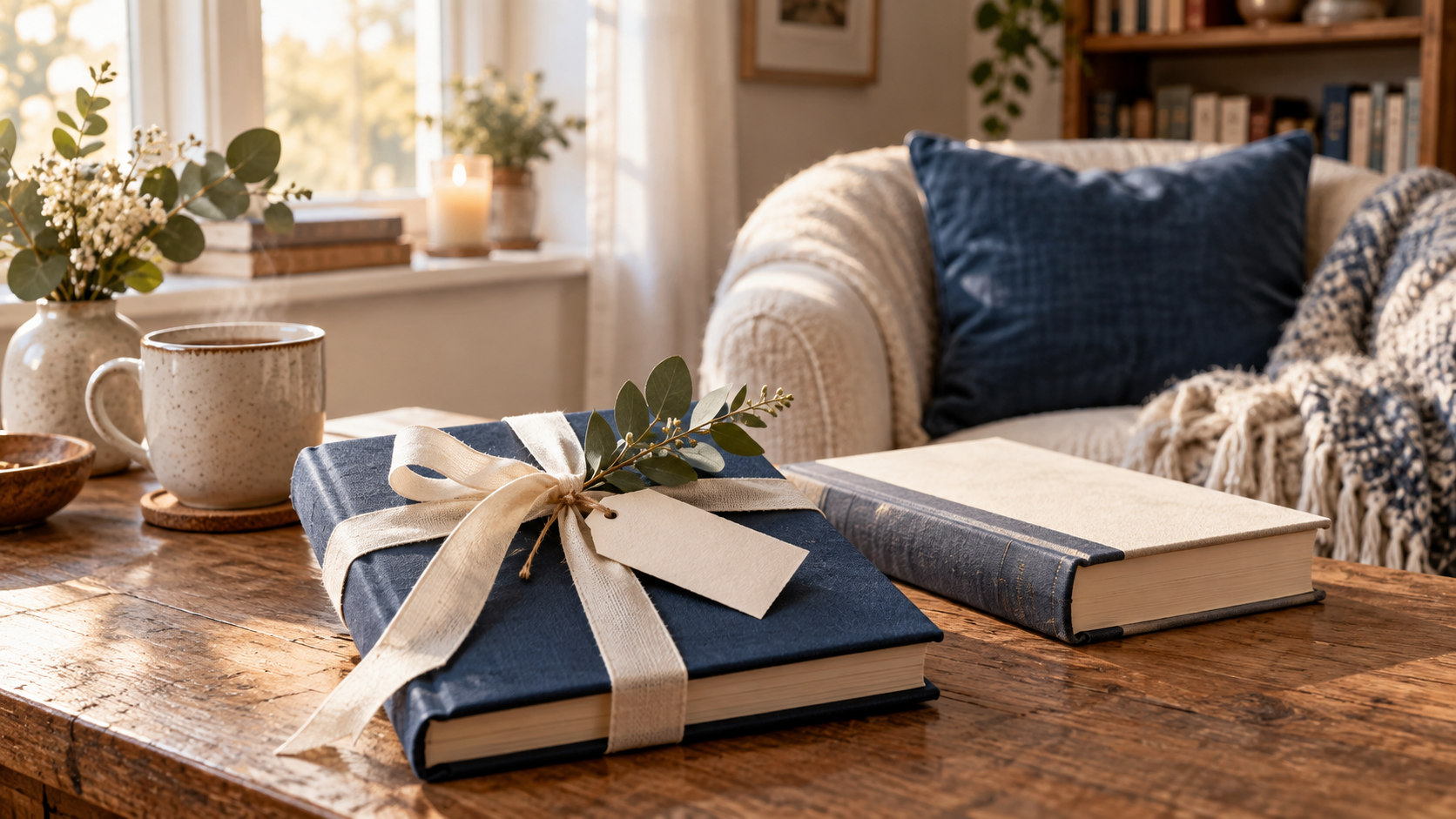
The physical format is part of the gift. A hardback can feel celebratory, while a paperback is easier to carry. Large print can make a book more comfortable to read, and an audiobook may suit someone who spends time driving, walking, or doing household tasks.
Also consider the commitment. A 900-page epic is exciting for a devoted reader but intimidating for someone whose reading time comes in ten-minute pockets. A collection of essays, a novella, or a beautifully illustrated book may be a better fit. If you are unsure, choose a title with clear chapter breaks and a welcoming entry point.
Choose a confident guess, not a risky test
A gift should feel like an invitation rather than homework. Avoid choosing a book solely because it is fashionable, award-winning, or popular with you. Instead, explain the connection in a note: “I thought of you because…” That short message can make a carefully chosen book feel personal even when the title is unfamiliar.
If your guess is still uncertain, give the reader a small choice. You might wrap two contrasting books, offer a bookstore gift card with a handwritten recommendation, or pair one book with a bookmark and an invitation to compare notes. The thoughtfulness remains, while the reader keeps agency.
Build the gift around the reading experience
Small details can make an ordinary book feel memorable. Add a simple bookmark, a note about a favourite passage, or a plan to talk about the book after they have started it. For a reader who enjoys discovering new titles, use this reading-list guide to turn one recommendation into a few future options.
Before wrapping the book, check the edition, publication language, and whether the person already owns it. If the book is part of a series, confirm whether it works as a standalone read. You can also include a discreet gift receipt or mention that an exchange is welcome; that makes the gesture generous rather than awkward.
One final test before you buy
Ask yourself: can I describe why this particular reader might enjoy this particular book? If the answer is yes, you are probably close. A good book gift does not need to predict someone’s taste perfectly. It needs to show attention, offer a satisfying possibility, and leave room for the reader’s own response. For more ways to share reading thoughtfully, see our spoiler-free review template.
Sources and further reading
This guide draws on the American Library Association’s readers’ advisory resources, which frame book recommendations around listening, questioning, and matching readers with material that fits their interests.
Frequently asked questions
What is the best way to choose a book for someone else?
Start with the reader’s interests, recent favourites, available time, and preferred format. A few reliable clues are more useful than choosing a title simply because it is popular.
Should I give a book I personally love?
Yes, if you can explain why it might suit the recipient. Your reason for choosing it matters more than the fact that it is one of your favourites.
What if I do not know the person’s reading taste?
Ask an easy question, check for clues in conversation, or offer a small choice such as two books or a gift card with a personal recommendation.
Is hardcover or paperback better for a gift?
It depends on the reader. Hardcover can feel special, while paperback is lighter and easier to carry. Consider comfort, portability, and the person’s usual reading habits.
How can I make a book gift feel more personal?
Add a handwritten note explaining the connection, include a bookmark, or invite the recipient to share their thoughts after reading.
What should I do if the recipient already owns the book?
Include a gift receipt or say that an exchange is welcome. You can also pair the recommendation with a second option, a bookmark, or a bookstore gift card.
Leave a Reply